
I still remember the exact moment when it finally clicked.
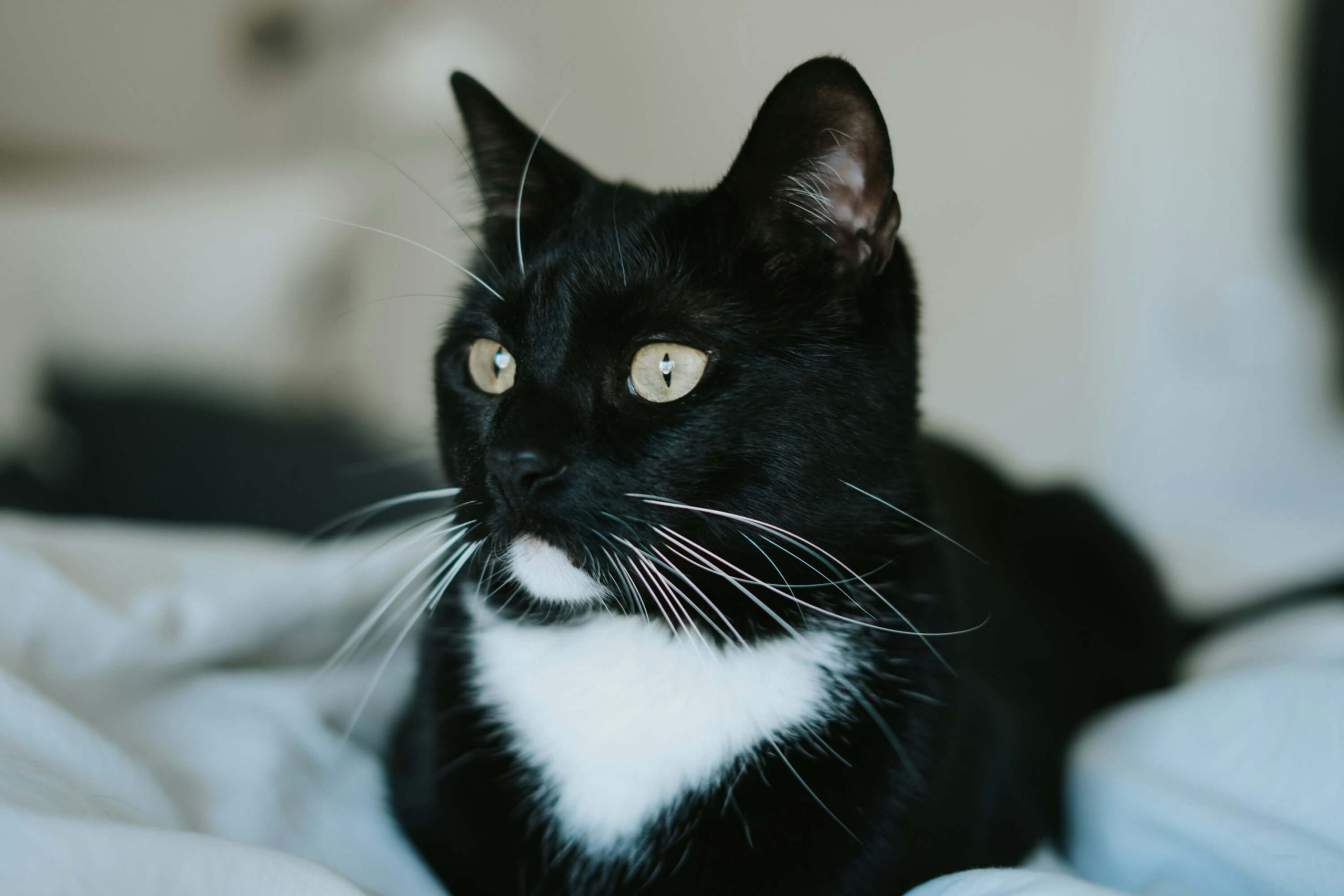
It was late—one of those quiet evenings when the house hums softly, and the only real sound is the clock marking time. Wolff sat in front of me, his black-and-white face tilted just slightly, eyes locked on mine with an intensity that felt almost… intentional. He let out a single, sharp meow. Not the casual kind. Not the needy kind. This one had purpose.
And in that moment, after months of confusion, frustration, and trial-and-error, I realized something profound:
Wolff wasn’t being difficult. He was communicating.
That was the night I stopped trying to “manage” my tuxedo cat and started learning how to understand him.
If you live with a tuxedo cat, you probably know that look. The one that makes you pause and think, “You’re not just a cat, are you?” ☕🐾
When I First Brought Wolff Home (and Thought I Knew Cats)
I used to think a cat was a cat. I’d had cats before—sweet, independent, predictable in their unpredictability. So when Wolff entered my life in December 2021 as a Christmas gift, I thought I was prepared.
I wasn’t.
Wolff came dressed in his formal black-and-white coat like he was ready for a gala, but what I didn’t expect was the presence he brought with him. From day one, he watched everything. Doors. Sounds. Me. When the doorbell rang, he ran to the door. When a car pulled up, he hurried to the patio to investigate. Baths? He tolerated them like a seasoned professional.
Dog-like didn’t even begin to cover it.
At first, I misunderstood his behaviors. I mistook his constant following for clinginess. His vocalizations felt excessive. His confidence—what tuxedo parents lovingly call tuxitude—sometimes came off as defiance.
But here’s the truth I had to learn the hard way:
Tuxedo cats don’t ask quietly. They announce.
Three Discoveries That Changed Everything
I didn’t wake up one day suddenly fluent in “tuxedo.” My understanding came in layers—through observation, mistakes, and a willingness to listen.
The Intelligence That Demands Engagement
Wolff doesn’t just want food or affection—he wants interaction. He studies routines. He anticipates outcomes. If I change something, he notices immediately.
Once, I tried to outsmart him by moving feeding time ten minutes later. He sat by the bowl at the original time and stared me down like I’d broken a sacred contract.
That’s when I realized: his intelligence needed respect, not control.
The Confidence That Feels Like Sass
Wolff doesn’t shrink himself. He enters rooms like he owns them. At first, this confidence felt overwhelming. But over time, I saw it differently—it was trust. He trusted his environment. He trusted me.
Understanding that shifted my frustration into admiration.
The Loyalty I Didn’t Expect From a Cat
He follows me everywhere. Bathroom. Kitchen. Bedroom. At first, I wondered if I was doing something wrong. Now I know—it’s his way of staying connected.
Have you noticed your tuxedo becoming your shadow? That’s not neediness. That’s bonding.
Let’s Talk About the Real Challenges (Because Yes, They’re Real)
Living with a tuxedo cat is magical—but it’s not effortless.
The Meowing
Oh, the conversations. Wolff doesn’t just meow—he discusses. Loudly. Often. At 3 AM.
I learned that excessive vocalization usually means something specific: boredom, hunger, or emotional check-ins. Once I started responding intentionally instead of reactively, the chaos softened.
Nocturnal Antics
Nighttime zoomies tested my patience more than once. What helped? Structured play before bed and mental stimulation during the day.
Food Preferences
Tuxedo cats can be selective. Wolff taught me that food isn’t just nutrition—it’s ritual. Respecting his preferences while keeping his diet balanced became part of our rhythm.
Hiding vs. Healing
Early on, I panicked when Wolff hid under the bed. Over time, I learned the difference between normal decompression and concerning withdrawal. Knowing your cat’s baseline behavior is everything.
The Personality Beneath the Tuxedo
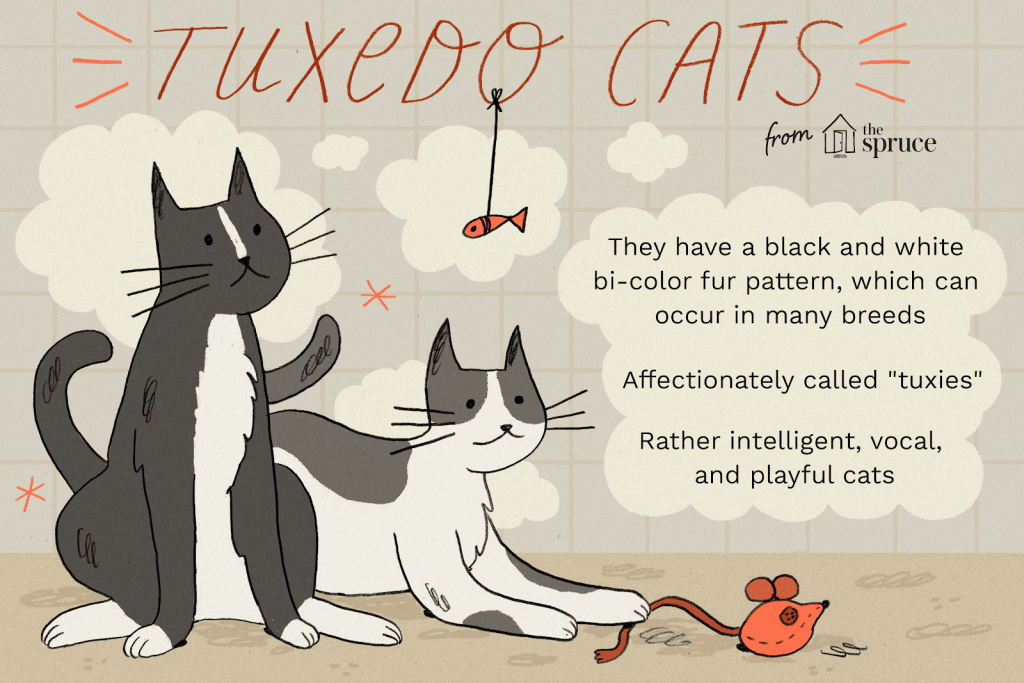
There’s a reason so many people swear tuxedo cats are “different.”
Are They Smarter?
Scientifically? Coat color doesn’t equal intelligence. In lived experience? Many tuxedo cats behave like highly intelligent companions because they’re confident, curious, and socially engaged.
Male vs. Female Tuxedos
In my experience and community conversations, male tuxedos often show more overt affection and dog-like behaviors, while females can be more selectively social—but every cat is an individual.
Why the Dog Energy?
Tuxedo cats often bond deeply with their humans, making them more likely to greet, follow, and engage like dogs do. Wolff proves this daily.
Sleeping Positions Tell Stories
Belly up? Total trust. Curled near your head? Emotional connection. These moments are quiet affirmations of the bond you’re building.
Learning to Interpret the Language of Wolff
Understanding Wolff wasn’t about changing him—it was about listening differently.
- Velcro behavior = security and connection
- Hiding = self-regulation
- Night activity = unmet energy needs
- Vocal tones = distinct messages (yes, really)
- Social navigation = confidence paired with curiosity
Once I stopped labeling behaviors as “problems” and started seeing them as information, everything shifted.
Growing Together Through Life Stages
Kittenhood
That’s where tuxitude is born—testing boundaries, fearless exploration, and early signs of intelligence.
Adulthood
This is where enrichment matters most. Puzzle toys, routines, and interaction keep their minds sharp and spirits balanced.
Senior Years
Behavior softens. Needs change. The bond deepens. What once felt demanding becomes sacred—a shared language refined by time.
Health, Wellness, and the Whole Cat
Understanding Wolff improved every aspect of his wellbeing:
- Mental health through stimulation
- Physical health through appropriate play
- Emotional health through connection
- Nutrition tailored to preference and need
Caring for a tuxedo cat is holistic. You can’t separate behavior from health—they’re deeply intertwined.
How Wolff Changed My Life (Especially in Retirement)
After 30+ years in public service, I thought I understood patience, observation, and responsibility.
Wolff humbled me.
He taught me to slow down. To notice nuance. To respond instead of react. He brought structure to my days and softness to my nights. In retirement, his presence gives my days purpose and rhythm.
And maybe most unexpectedly, he connected me to a community—people across cultures and backgrounds who understand what it means to live with a cat who feels like more than a pet.
From Frustration to Gratitude
I’ve misunderstood Wolff more times than I can count. I’ve been tired, overwhelmed, and occasionally at my wit’s end.
But every breakthrough—every decoded meow, every moment of mutual trust—has been worth it.
The journey isn’t about perfection. It’s about progress.
A Final Word From One Tuxedo Parent to Another
If you live with a tuxedo cat, know this:
You’re not imagining it.
You’re not alone.
And you’re not doing it wrong.
Your cat is an individual—bold, complex, expressive, and endlessly fascinating. The magic isn’t in mastering them. It’s in learning them.
So tell me—when did you first realize your tuxedo was different?
Does yours have tuxitude too?
💬 Share your story.
📸 Show us your tuxedo’s personality in action.
🐾 Join the PurrTux community, where curiosity, respect, and love for these remarkable cats come together.
Because once you understand a tuxedo cat…
you never see cats the same way again.