
If you’ve ever owned a cat, you know the universal truth: cats hate water. Mention the word “bath” around most felines and you’ll witness a disappearing act that would make Houdini jealous. Cat owners everywhere share war stories of scratched arms, soaked bathrooms, and traumatized pets who won’t speak to them for days.
And then there’s Wolff.
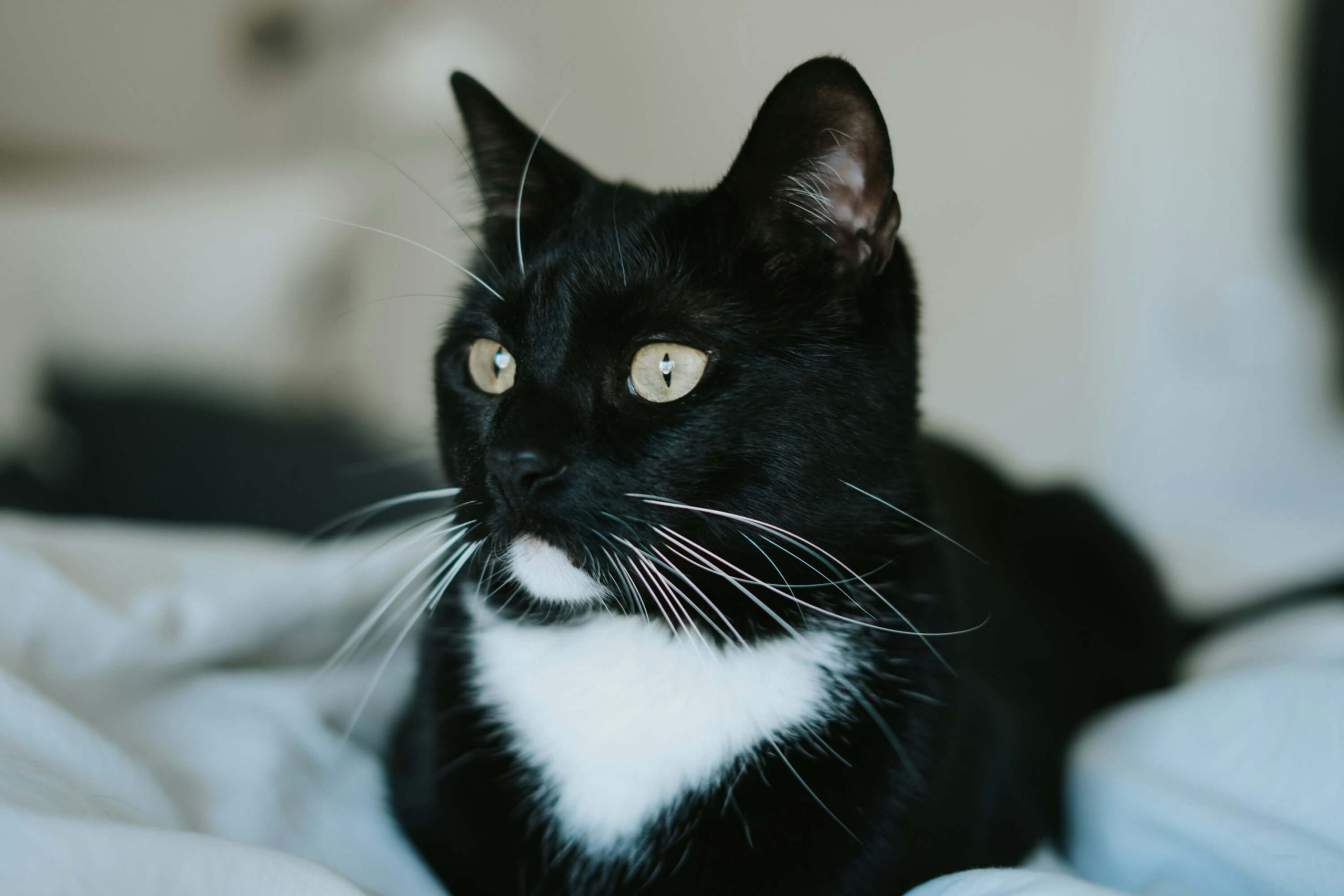
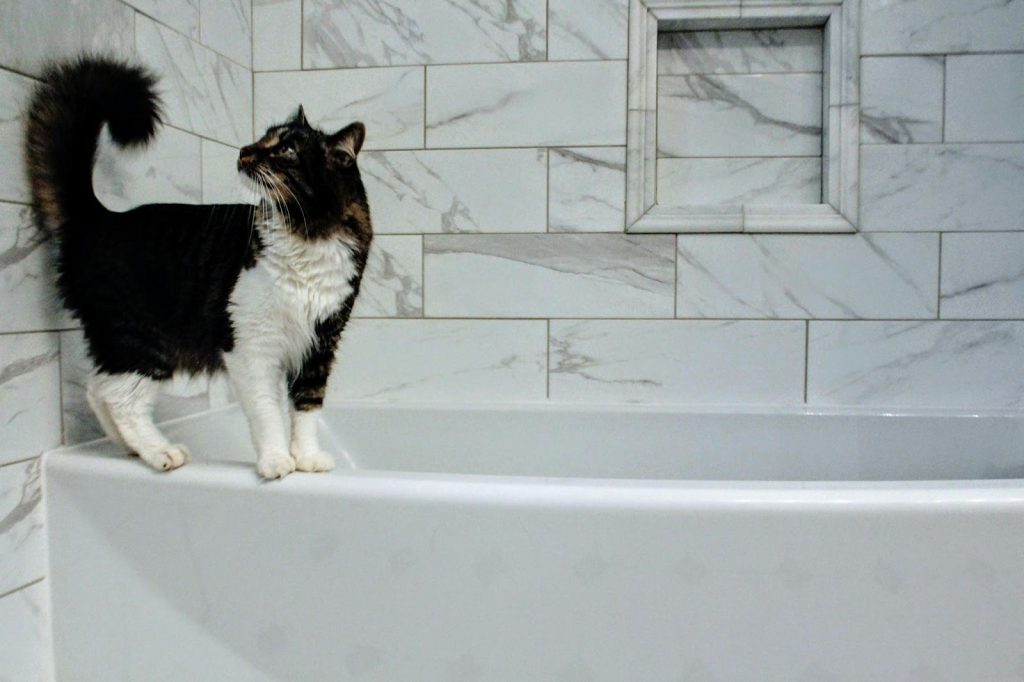
Wolff is our handsome tuxedo cat—black and white markings that make him look perpetually dressed for a formal occasion. From the day Wolff came into our lives, it was clear he was special. Not just because of his striking appearance, but because he would become the only cat I’ve ever known who genuinely enjoys bath time.
The First Bath: Expecting War, Finding Peace
The first time we bathed Wolff, he was still a kitten, full of energy and curiosity, getting into absolutely everything. If there was a shelf to climb, Wolff climbed it. If there was a corner to explore, Wolff explored it. If there was dust under the couch, Wolff found it and rolled in it.
One particular afternoon, I found him covered in what I can only assume was a combination of dust, mystery grime from behind the refrigerator, and something sticky from the back of a kitchen cabinet. My baby had to look and smell fresh—there was simply no two ways about it. Into the bathtub he went.
I remember calling out to my partner, Lish, with a mixture of determination and nervousness. “We’re giving Wolff a bath,” I announced. She looked at me like I’d suggested we try to put clothes on a tiger.
We set up the bathroom like we were preparing for a military operation. Towels were strategically placed. The door was firmly closed. We filled the tub with just a few inches of warm water, tested the temperature multiple times, and gathered pet-safe shampoo. I’d read horror stories online about cats and baths—tales of blood, tears, and destroyed relationships. We were as prepared as we could be for the battle we assumed was coming.
A Team Effort That Defied Expectations
Lish and I washed him together that first time. We’d agreed on roles: I would hold Wolff, keeping him calm and secure, while Lish handled the actual washing.
I gently lowered Wolff into the shallow warm water, holding my breath, waiting for the explosion of feline fury. But instead of the expected yowling, scratching, and desperate escape attempts, Wolff simply… looked at us. His big green eyes were curious, maybe a little uncertain, but not panicked. He didn’t struggle. He didn’t hiss. He just stood there in the water, as if to say, “Well, this is new. What happens next?”
Lish and I exchanged glances of disbelief. “Is he… okay?” she whispered, as if speaking too loudly might break whatever spell was keeping Wolff calm.
Lish got to work with newfound confidence. She was thorough and methodical. She got his ears, paying special attention to the delicate areas where dirt had accumulated. She carefully cleaned around his eyes, wiping away tear stains. And yes, she got his butt real good—because let’s be honest, that’s an area that sometimes needs extra attention.
Throughout the entire washing process, Wolff remained remarkably calm. He wasn’t exactly enthusiastic, but he wasn’t mad at all. He stood there, tolerating our ministrations with a patience I wouldn’t have believed possible.
I kept up a steady stream of gentle conversation, telling him what a good boy he was, how handsome he looked, how proud we were of him. Whether he understood the words or just found the tone soothing, I’ll never know. But it seemed to help.
The Drying Battle
After the washing came the rinse, which Wolff also tolerated well. But then came the drying, and that’s when his patience finally ran out.
The moment I wrapped him in a towel and started rubbing him dry, the wrestling match began. Suddenly, the calm, cooperative kitten transformed into a wriggling, squirming bundle of wet fur and determination. He wanted out of that towel, out of my arms, out of this bathroom, and he wanted it now.
But I was equally determined. I’d made a decision early on: we do not leave that bathroom before most of him was dry. I’d heard too many stories about wet cats escaping and rolling in dust, immediately undoing all the work of the bath.
So Wolff and I tussled. It was a test of wills—me with my determination to get him properly dry, and him with his desperate desire to escape. He twisted and turned, trying to free himself. I held firm, continuously rubbing and patting, working the moisture out of his fur.
“Almost done, buddy,” I kept saying, even as he gave me looks that clearly communicated his displeasure.
Finally, after what felt like an epic battle but was probably only five or ten minutes, I deemed him dry enough. His fur stuck up in odd directions, making him look somewhat deranged, but he wasn’t dripping, and that was good enough.
The Revelation: The After-Bath Ritual
I released my grip on the towel, expecting Wolff to bolt from the bathroom like his tail was on fire. But what happened next surprised me even more than his calm acceptance of the bath itself.
Instead of running away, Wolff sat down right there on the bathroom mat and began to lick himself.
Now, this might not sound remarkable—cats lick themselves all the time. But there was something different about this grooming session. This wasn’t just casual maintenance. This was focused, deliberate, almost… joyful.
Then came what I now know is the highlight of Wolff’s bath experience: the after-bath licking session. This wasn’t just grooming—this was an event. A performance. A ritual that would become as much a part of bath time as the washing itself.
Wolff spent the next twenty minutes meticulously grooming every inch of himself. He started with his front paws, licking between each toe, making sure everything was just right. Then he moved to his chest, that white bib that made him look so dapper. His sides came next, long strokes of his tongue smoothing his black fur until it gleamed.
The real show was watching him tackle the harder-to-reach areas. He twisted himself into positions that looked physically impossible, determined to get every spot. His back legs received careful attention. His tail got the same treatment. And somehow, through flexibility that defied physics, he even managed to attend to his back and the base of his tail.
Lish and I sat on the bathroom floor, watching this performance with fascination. “Is he… enjoying this?” Lish asked, voicing what I was thinking. Because there was something about Wolff’s demeanor that suggested contentment. His eyes were half-closed in concentration, but not in annoyance. His body was relaxed, not tense.
“I think he might be,” I answered, equally amazed. “I think he actually likes this whole bath thing.”
Bath Time Becomes Routine
That first bath set a precedent. Because Wolff had tolerated it so well—even seeming to enjoy the aftermath—we decided to make it a regular thing. Each subsequent bath followed the same pattern: remarkably calm during washing, resistant during drying, and then settling in for his extended grooming session.
Over time, we refined our technique. We learned that Wolff preferred the water a little warmer than lukewarm but not hot. We discovered that he was more comfortable if we filled the tub before bringing him in—the sound of running water made him nervous. We found that talking to him throughout the process helped keep him calm.
But the after-bath grooming? That was all Wolff’s show, and we learned to just give him space and time to do his thing. Sometimes we’d sit and watch. Sometimes we’d go about our business, checking on his progress periodically. But we never rushed him. This was clearly important to him, and we respected that.
The Science Behind the Satisfaction
As I watched Wolff go through his post-bath ritual time and again, I became curious about what was really going on. Why did this after-bath grooming seem so satisfying to him?
I did some research and learned there’s actually a lot happening from a cat’s perspective. When we bathe Wolff, we’re removing his natural scent oils along with the dirt. That after-bath grooming isn’t just about vanity or getting his fur to lay flat—it’s about reestablishing his scent, reclaiming his body as his own, restoring the natural oils that protect his skin and coat.
Cats have scent glands on various parts of their body, including around their mouth. When Wolff licks himself, he’s not just cleaning; he’s marking himself with his own scent. After a bath, when that scent has been washed away with shampoo, he needs to rebuild that olfactory identity. It’s deeply instinctual.
There’s also the simple fact that grooming is soothing for cats. It releases endorphins, creating a sense of calm and well-being. After the mild stress of being bathed and the definite stress of being dried against his will, that extensive grooming session is Wolff’s way of self-soothing, of bringing himself back to equilibrium.
Understanding this made me appreciate Wolff’s after-bath ritual even more. It wasn’t just a cute quirk—it was a necessary process, and our tuxedo boy had figured out how to not just tolerate baths but to find satisfaction in the complete experience.
The Evolution of a Bath-Loving Cat
As Wolff grew from kitten to adult cat, his relationship with bath time evolved in interesting ways. The basic pattern remained the same, but there were subtle changes showing he was growing more comfortable with the routine.
For one thing, he stopped fighting the drying process quite as hard. He still didn’t love it, but instead of full-blown wrestling matches, he’d mostly just sit there looking disgruntled, occasionally pulling away but no longer putting his full effort into escape. He’d resigned himself to this part of the process, accepting it as the price for the satisfying grooming session that would follow.
Even more surprisingly, we noticed that Wolff began to anticipate bath time. He wouldn’t come running when we said “bath”—let’s not get carried away. But when we’d start preparing the bathroom, gathering towels and shampoo, he wouldn’t hide or run away. Sometimes he’d even follow us into the bathroom, curious, as if checking whether this was a bath day.
There was one memorable incident when Wolff had gotten into something especially messy in the garage—motor oil, we think. When I carried him to the bathroom for an emergency bath, Wolff didn’t struggle or protest. If anything, he seemed almost relieved, as if he knew he was a mess and was glad we were going to help him fix it.
That day reinforced what we’d suspected: Wolff had truly come to accept baths as a normal, even positive, part of his life.
Lessons for Other Cat Parents
People often ask how we managed to create a cat who tolerates—dare I say enjoys—bath time. The honest answer is that I’m not entirely sure. Part of it was starting early, when Wolff was still young and adaptable. Part of it was making the experience as positive as possible from the beginning—warm water, gentle handling, calm voices, never forcing anything beyond what was necessary.
But I think a large part is simply Wolff’s personality. Some cats are more laid-back, more trusting, more willing to go along with what their humans want. Wolff happened to be one of these cats. We got lucky.
That said, I do think there are lessons from our experience that might help other cat owners who need to bathe their pets:
Start early if you can. The younger a cat is when introduced to baths, the more likely they are to accept them.
Keep the experience stress-free. Warm water, gentle handling, calm voices make all the difference.
Make it quick and efficient. Don’t drag it out.
Respect the after-bath ritual. Give your cat time and space to groom themselves afterward. It’s not just a preference; it’s a need.
The Joy of Watching
One of the unexpected pleasures of Wolff’s bath routine has been simply watching his after-bath grooming sessions. There’s something meditative about observing a cat in the midst of this ritual. The focus, the thoroughness, the obvious satisfaction he takes in the process—it’s all strangely compelling.
Sometimes, after a particularly long day, I’ll give Wolff a bath in the evening, and then I’ll sit on the couch with a cup of tea and just watch him work. It’s become a form of relaxation for me, seeing him methodically groom each section, seeing his fur transform from the somewhat chaotic, damp mess I left him in to the sleek, glossy coat he restores through his own efforts.
There’s a lesson in there somewhere about patience, about taking time to care for yourself properly, about finding satisfaction in small, repetitive tasks. Wolff doesn’t rush through his grooming. He doesn’t half-ass it. He gives it his full attention until it’s done right. In our fast-paced, always-rushing world, there’s something admirable about that.
Breaking the Mold
Wolff has taught me that animals, like people, are individuals. Just because most cats hate baths doesn’t mean all cats will. Just because something is commonly accepted as true doesn’t mean it’s universally true. Wolff breaks the mold in this regard, and I love him for it.
He’s also taught me that with patience, consistency, and respect for an animal’s needs and instincts, you can help them adapt to things that might initially seem unnatural or unpleasant. We didn’t force Wolff to like baths. We simply introduced them in a way that minimized stress and allowed him to find his own comfort level. And he surprised us by finding more comfort than we ever expected.
The After-Bath Glow
There’s a period after Wolff’s grooming session where he just seems… content. His fur is perfect, smooth and shiny. His scent has been restored. Everything is right in his world. He’ll often come find us then, rubbing against our legs, purring loudly, as if thanking us for our part in the process or simply wanting to share his satisfaction.
These moments are special. They feel like a collaboration successfully completed, a team effort that resulted in a positive outcome for everyone involved. Wolff is clean and happy. We’re satisfied knowing he’s well cared for. And we’ve shared an experience that, weird as it might sound to other cat owners, has become a bonding ritual for us.
Final Thoughts
If you’d told me, before we got Wolff, that I’d have a cat who not only tolerates baths but seems to find satisfaction in the complete bath experience, I wouldn’t have believed you. Everything I’d read, everything other cat owners had told me, suggested that bathing a cat was something to be avoided unless absolutely necessary—a traumatic experience for both cat and owner.
But Wolff proved all those assumptions wrong. The highlight of every bath isn’t the washing part, even though that’s where we humans are most involved. It’s the after-bath licking—that extended period where Wolff methodically restores himself, reclaiming his body and his scent, achieving a level of cleanliness and order that satisfies some deep feline instinct. That’s when he’s truly in his element.
So here’s to Wolff, the cat who loves bath time—or at least loves the complete bath experience enough to tolerate the parts he doesn’t enjoy. He’s taught us patience, shown us the importance of ritual and routine, and reminded us that every animal is unique.
To all the cat owners out there struggling with bath time, take heart. While your cat might never love it the way Wolff does, maybe there’s hope for peaceful coexistence with the bathtub. Start early, be patient, be gentle, and who knows? You might discover that your cat has their own after-bath ritual that brings them satisfaction.
And if not? At least you can take comfort in knowing that somewhere out there, there’s a tuxedo cat named Wolff who’s breaking all the rules and loving every minute of his after-bath grooming session. He’s proof that exceptions exist, that animals can surprise us, and that sometimes the things we expect to be battles turn out to be bonding experiences instead.
Long live Wolff, the bath-loving tuxedo cat. May his fur always be glossy, his after-bath grooming sessions always be satisfying, and may he continue to defy expectations for years to come.