
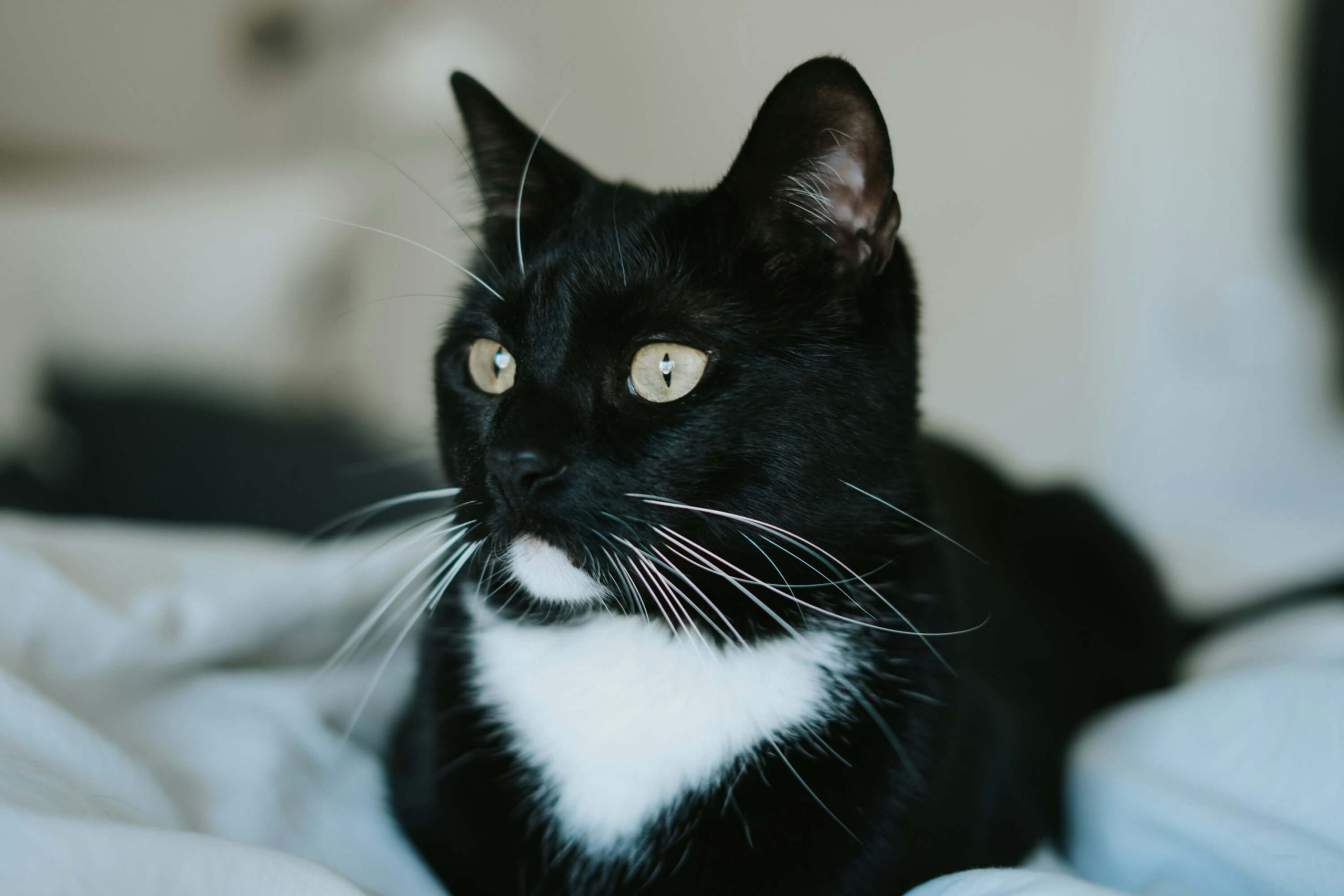
I never thought I’d become the person who could diagnose litter box problems at 2:47 AM, but here I am. That’s the exact time I woke up to find Wolff, my tuxedo cat who’d been perfectly house-trained for five years, deliberately avoiding his pristine litter box and choosing my bedroom carpet instead.
If you’re reading this with that same sinking feeling I had—wondering what you did wrong—let me stop you right there. You didn’t do anything wrong. Your tuxedo cat is trying to tell you something, and once you crack the code, everything makes sense.
What I’m about to share took me five months to figure out. Five months of trial and error, vet visits, and more cleaning than I care to remember. But if my struggle can save you even one sleepless night, it’s worth sharing every detail.
The Thing About Tuxedo Cats and Litter Boxes
Here’s what I learned the hard way: tuxedo cats’ intelligence and sensitivity work against them when it comes to litter box problems. That confident tuxitude that makes them so entertaining? It also makes them incredibly particular about their bathroom situation. Unlike other cats who might tolerate less-than-ideal conditions, tuxedo cats will stage a protest.
After 30+ years in public service learning to listen and observe carefully, I thought I’d be good at understanding my cat. Turns out, I had five major blind spots.
Hidden Cause #1: I Was Failing the Tuxedo Cat Cleanliness Test
The Discovery Moment
Two weeks into this nightmare, I did something I’d never done before: I sat on my bathroom floor and just watched Wolff during his evening routine. He approached his litter box with his usual swagger, then stopped six inches away. His nose twitched. He extended one white paw, touched the litter delicately, and looked at me with profound disappointment.
Then he walked away.
That’s when it hit me: my standards weren’t his standards. What looked “clean” to me—I scooped every morning—wasn’t clean enough for his sensitive tuxedo nose.
What I Learned
I started documenting obsessively. Morning: used the box perfectly. Midday: hesitant. Evening: complete refusal. By 8 PM, that box was apparently a biohazard zone in Wolff’s opinion, though I could barely detect anything wrong.
Think about it from his perspective: he’s a dignified gentleman in a permanent tuxedo. Would a gentleman use a less-than-pristine bathroom?
The Simple Fix
I started scooping twice daily—morning and evening. Within three days, the evening accidents stopped. Five additional minutes a day, and we’d avoided weeks of stress.
My current routine: 7:30 AM scoop, 6:00 PM scoop, weekly full dump and wash, monthly box replacement (plastic absorbs odors even when we can’t smell them).
Your tuxedo cat isn’t asking for the moon. They’re asking for a clean bathroom twice a day. We can do that.
Hidden Cause #2: I Ignored the Medical Warning Signs
The Guilt I Still Carry
When Wolff’s problems started, I spent the first full week convinced it was behavioral. I adjusted the litter, moved the box, tried everything except the one thing I should have done first: take him to the vet.
The Wake-Up Call
It was a Thursday evening when I finally noticed: Wolff made four trips to his litter box in one hour. Each time, he’d position himself, strain visibly, produce almost nothing, and leave looking confused and uncomfortable.
I called the emergency vet that night.
What the Vet Taught Me
Dr. Martinez diagnosed early urinary tract inflammation. Then she said something that changed everything: “Cats, especially intelligent tuxedo cats, make associations very quickly. One painful experience in the litter box, and they’ve learned to avoid it. They’re not being stubborn—they’re being smart. They’re protecting themselves.”
Smart. My brilliant boy was being smart, not difficult.
Health Issues That Cause Litter Box Avoidance:
- Urinary tract infections or inflammation
- Kidney disease (especially in seniors)
- Diabetes
- Arthritis (makes climbing into boxes painful)
- Digestive issues
- Cognitive dysfunction in older cats
How I Fixed It
Wolff needed medication, but here’s the crucial part: even after the medical issue resolved, he still avoided his box because he’d associated it with pain. I had to rebuild his positive association.
I moved his box to a completely different location—new spot, new association, fresh start. I changed to different litter temporarily. Every time he used the box successfully, I gave him treats and quiet praise. I never scolded accidents.
Within two weeks, he was back to normal.
Don’t Make My Mistake
If your tuxedo cat’s litter box problems appeared suddenly, call your vet today. Watch for: multiple trips with little output, straining, blood, excessive grooming of genital area, hiding, changes in appetite or water intake.
Tuxedo cats hide pain well. Behavioral changes might be your only clue. I waited a week, and I still regret it.
Hidden Cause #3: Wolff Voted “No” on My Litter Box Choice
The Covered Box Disaster
About a month after resolving the medical issue, I felt confident—maybe smug. That’s when I bought a beautiful dome-shaped covered litter box promising odor control and privacy.
Wolff took one look and walked away. Not even a courtesy sniff.
Over two days, he circled it multiple times but never went inside. Accidents resumed.
The Lesson
I was thinking about what I wanted—odor control, aesthetics—instead of what Wolff needed. I put both boxes side by side and watched. With the covered box, he’d stick his head in and immediately back out, ears slightly back. With the open box, he walked right in.
The covered box made him feel trapped. My confident tuxedo cat didn’t want to put himself in an enclosed space where he couldn’t see approaching threats.
What Works for Wolff:
- Size matters: 1.5 times his body length, minimum
- Uncovered boxes only: He needs to see his surroundings
- Low entry points: Crucial now that he’s older with arthritis
- Quiet but visible locations: Can see who’s approaching but not high-traffic
I eventually bought a large plastic storage container and cut down one side. Enormous, ugly, and absolutely perfect according to Wolff.
Your tuxedo cat gets to vote on their litter box, and their vote is the only one that counts.
Hidden Cause #4: The $3 Litter Decision That Cost Me Two Weeks
The Sale Mistake
Six months into our journey, I bought four bags of “premium” lavender-scented litter on sale. The packaging promised “spa-like freshness.”
Wolff had strong, negative opinions.
The Discovery
I switched the litter Saturday morning. By evening, he’d used his box zero times and christened my closet twice. By Monday, I finally connected it to the litter change.
I knelt down and took a big whiff. The lavender that seemed “light” from three feet away was overwhelming at cat-nose level. What smelled pleasant to me apparently smelled like a perfume factory explosion to Wolff’s sensitive nose.
What I Learned
Cat noses are 14 times more sensitive than human noses. Texture matters as much as scent—cats have incredibly sensitive paw pads. Consistency is crucial for tuxedo cats; change stresses them out.
The Emergency Fix
I immediately returned those four bags and bought my usual unscented clumping litter. I dumped all the scented litter and washed both boxes thoroughly.
Wolff used his box that evening.
The Transition Strategy for Future Changes:
- Week 1: Mix 25% new litter with 75% old
- Week 2: Mix 50/50
- Week 3: Mix 75% new with 25% old
- Week 4: 100% new litter
What Works:
- Unscented clumping clay litter (non-negotiable)
- Fine-grain texture
- Low dust formula
- 3-4 inches depth
- Same brand, same formula, every time
Those four bags cost me $40 and two weeks of stress. Learn from my mistake: stick with unscented. Your tuxedo cat’s nose is the only opinion that matters.
Hidden Cause #5: The Invisible Stress Breaking Wolff’s Heart
When My Dream Became His Nightmare
This was the hardest cause to identify. After retiring from 30+ years in public service, I moved to a new house—my fresh start, my reward. I set up Wolff’s area first: litter box, bed, food. Everything perfect.
He stopped using his litter box within 48 hours.
The Realization
About a week in, I found Wolff hiding under my bed at 3 AM. His eyes were wide, body tense. That’s when it hit me: while I saw this move as exciting, Wolff experienced it as the complete destruction of his world. Every familiar smell, every safe spot—gone.
I sat on the floor and just talked to him. I’d spent decades helping people through transitions they didn’t feel ready for, and here I was forcing my cat through a massive transition without considering his needs.
Understanding Tuxedo Cat Stress
Tuxedo cats present confident personalities, but underneath is a creature who needs routine and security. The litter box is their most vulnerable moment—exposed position, unable to run quickly. If they don’t feel safe, they won’t use it.
Stress triggers:
- Major moves
- New people or pets
- Furniture rearrangement
- Construction noise
- Schedule changes
- Loss of a companion
- Conflict with other pets
The Multi-Step Recovery
Created multiple safe havens: Three litter boxes in different areas gave Wolff choices and control.
Reestablished routine: Feeding times, play times, my schedule—consistent every day despite retirement flexibility.
Brought back familiar scents: His old bed, toys, and scratching posts throughout the house.
Built positive associations: Treats and praise for successful box use, never punishment for accidents.
Increased environmental control: Cat trees and high perches so he could survey his territory.
Used calming aids: Feliway diffusers near litter areas.
The Timeline
Week 1: Still frequent accidents, occasional box use
Week 2: More box usage, fewer accidents
Week 3: Accidents dropped to twice a week
Week 4: Almost back to normal
Week 6: Perfect litter box habits
Six weeks. That’s how long Wolff needed to adjust and feel safe again. My public service career taught me that people—and cats—heal on their own schedule, not ours.
My Complete System: What I Do Now
After navigating all five causes over almost a year, here’s my approach:
Immediate Action for New Problems:
- Schedule vet visit (rule out medical causes first)
- Increase scooping to twice daily
- Add a second litter box in different location
- Ensure boxes are large enough and uncovered
- Confirm using unscented litter
Daily Maintenance:
- Morning and evening scooping
- Fresh water (hydration prevents urinary issues)
- Observe bathroom behavior and stress levels
Weekly: Add fresh litter, clean around boxes
Monthly: Complete litter dump and box washing
Annually: Replace all boxes, senior vet checkup
Senior Years Adjustments
Wolff is eleven now. Arthritis means even lower entry boxes. Cognitive changes mean consistent locations and night lights. Kidney function decline means more boxes available. Each life stage requires adaptation.
What This Journey Really Taught Me
Learning to truly see Wolff—understanding his signals and interpreting his behavior—has made me more observant in all areas of life. These skills enriched my human relationships too.
This journey humbled me repeatedly. Every time I thought I had it figured out, Wolff presented a new challenge. I learned that being a good cat parent requires willingness to be wrong, adjust course, and keep learning.
There were dark moments. Times I cried over another accident and felt like a failure. But we got through it together, and every challenge strengthened our bond.
If you’re dealing with litter box problems right now—feeling frustrated and exhausted—persistence matters. Patience matters. The relationship you’re building through this challenge is worth every difficult moment.
Your Next Steps
Today:
- Schedule a vet appointment
- Start twice-daily scooping
- Observe your cat’s bathroom behavior
This Week:
- Document patterns—timing, locations, behaviors
- Assess current litter box setup
- Add a second box if needed
This Month:
- Implement solutions based on the five causes
- Monitor improvements
- Celebrate every successful box use
Your tuxedo cat isn’t being difficult or stubborn. They’re communicating the best way they know how. Your job is to become fluent in their language.
Watch them. Listen to what they’re telling you through behavior. Be patient with them and yourself. The five hidden causes I’ve shared aren’t just about litter boxes—they’re about understanding what makes tuxedo cats unique: their intelligence, sensitivity, strong preferences, and that magnificent tuxitude.
Have you experienced any of these five causes with your tuxedo cat? I’d love to hear your story in the comments. Let’s help each other become the best tuxedo cat parents we can be.